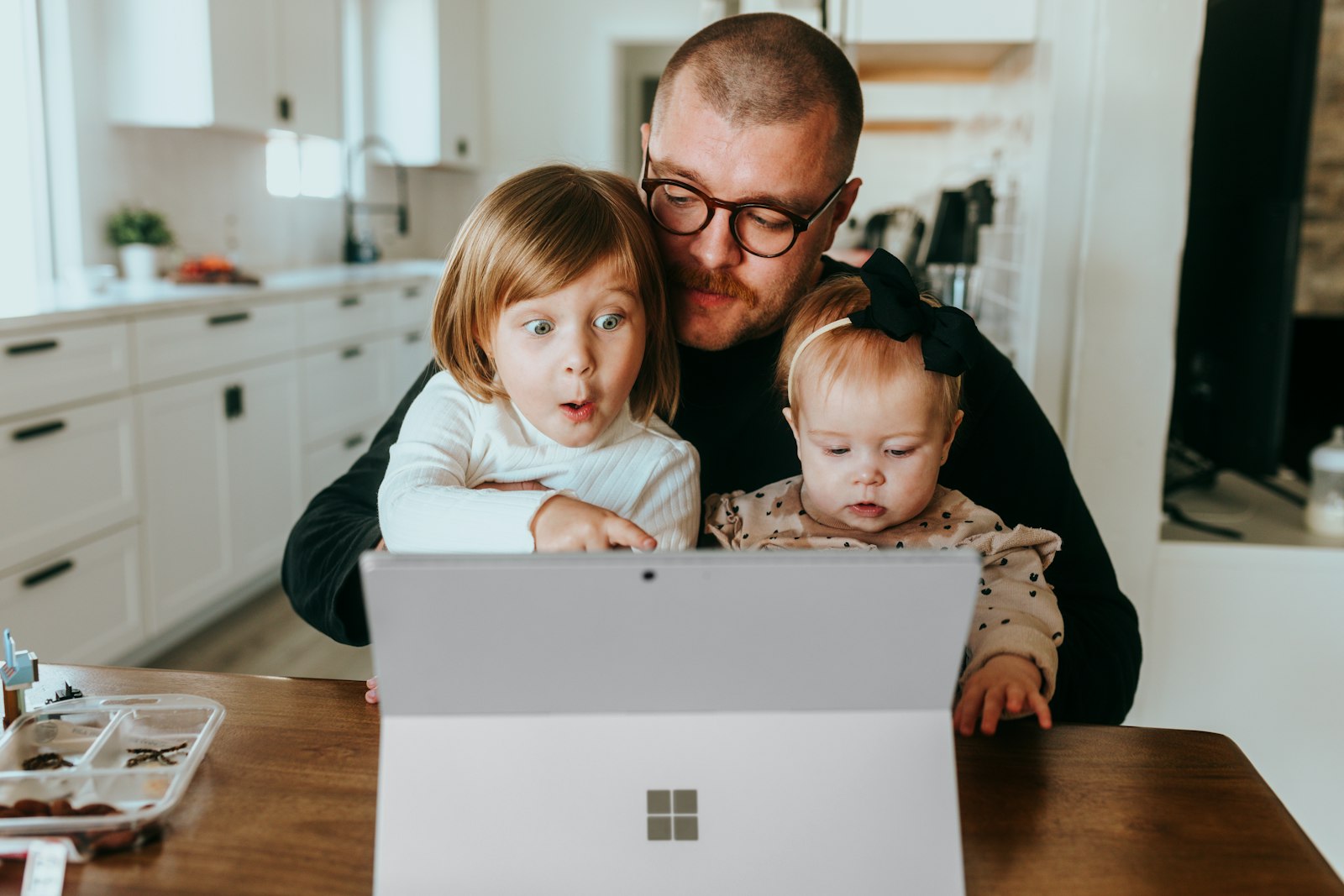
School Readiness Is Bigger Than Worksheets and Letter Drills
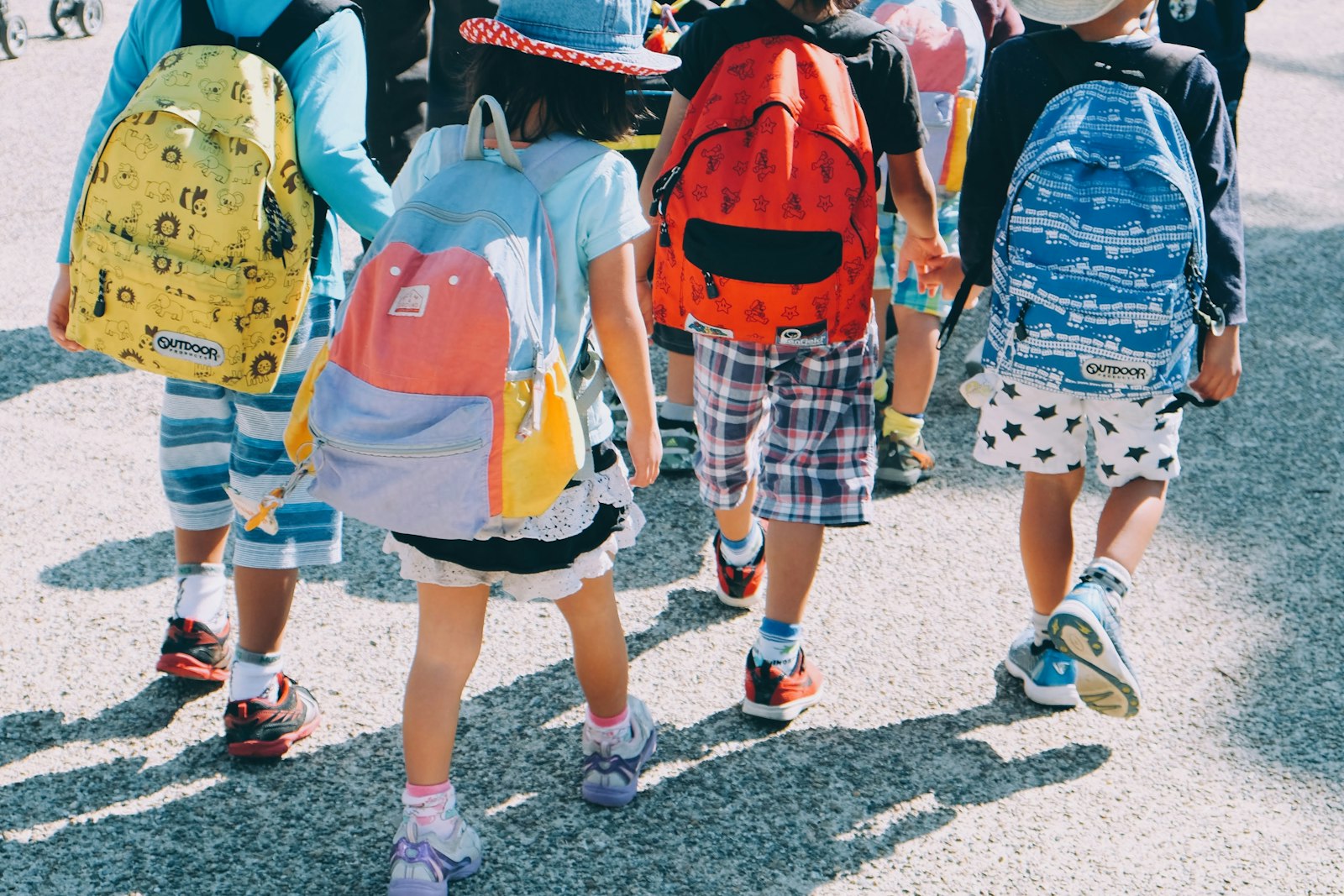
School Readiness Is Bigger Than Worksheets and Letter Drills
Parents hear “school readiness” and often picture academic checklists. But early childhood organizations continue to emphasize a broader idea: children thrive when schools are ready for children and when families support the social, physical, and emotional foundations that make learning possible.
Readiness Includes Relationship Skills
A child entering school does not need perfection in reading or math. What matters just as much is whether they can separate with support, participate in routines, ask for help, tolerate frustration, and recover after disappointment.
These skills grow through everyday life: taking turns, helping at home, listening to stories, solving small conflicts, and practicing transitions.
What Families Can Practice Now
- Following a simple morning routine.
- Handling backpacks, lunch items, and clothing with growing independence.
- Listening to a short story and talking about it.
- Using words to ask for help or take a turn.
The Goal Is Confidence, Not Performance
Children do best when readiness is framed as capacity-building rather than evaluation. Families can support that by making routines visible and giving kids practice with manageable responsibility.
A prepared child is not the one who can do the most worksheets. It is the one who can enter a structured environment and keep learning there.
Marcus Chen
Contributing Editor
Dad of three, pediatric researcher turned journalist. Marcus covers the intersection of child development and parenting products.
Tags
Stay Updated
Weekly newsletter
Real parenting stories, outdoor adventure ideas, and family tips delivered every Friday.
No spam, unsubscribe anytime. Privacy policy.